
Paragould City Directory Years
Paragould did not have a verified annual run. An Arkansas Heritage downtown nomination cites city directories for 1908, 1917, 1920, 1939, and 1948. Local web indexes add a 1902 credit directory and material for 1916 and 1939. Those are firm year points, not proof that every year between them survives. Publisher names also vary, so a title page should be checked before a firm publisher claim is made.
| Paragould collection | Verified dates | Custodian or host | Way to use it |
|---|---|---|---|
| Local directory volumes | 1908, 1917, 1920, 1939, 1948 | Greene County Library, GCHGS, heritage bibliography | Shelf, research request, or cited copy |
| ARGenWeb directory indexes | 1902 credit, 1908, 1916, 1939 | Greene County ARGenWeb | Free web transcription; confirm against an image |
| Sanborn fire maps | 1892, 1894, 1897, 1903, 1909, 1914, 1923, 1930 | Library of Congress, library, archives | Digital sheets and local holdings |
| Federal census | Public schedules through 1950 | NARA and library databases | Household check between directory dates |
| Local news titles | Coverage varies | Greene County Library and publishers | Microfilm or digital archive |
The 1920 volume is known through digitized pathways, while other years may require a library or society inquiry. Ask for the exact edition, its alphabetical section, any street section, and the abbreviation key. A transcription speeds discovery, but the page image settles punctuation, initials, and column placement.
Note: Treat 1948 as the latest year verified in the cited bibliography, not as Paragould’s final printed directory.
Search Paragould’s 1939 City Directory
The 1939 Paragould directory index gives a close look at how a local listing was compressed. Search surname letters first. Then copy the complete line before deciding what any short mark means.
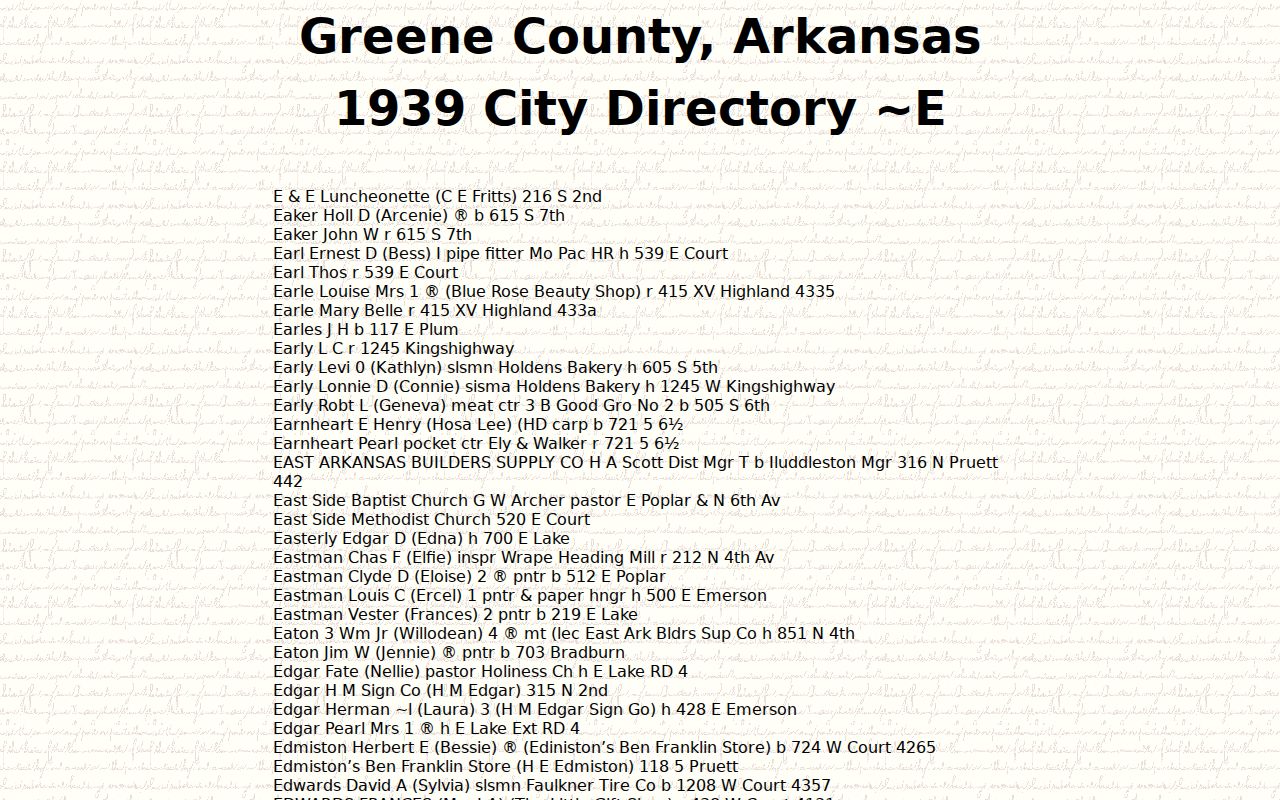
The captured index is useful because it preserves spouse, trade, firm, street, and phone clues in one small line. Those details can separate people who share a name. The index is still a snapshot created by its compiler, not legal proof that a person lived at the address for the full year.
Decode a Paragould City Directory
A 1939 example reads, “Edwards David A (Sylvia) slsmn Faulkner Tire Co b 1208 W Court 4357.” The name leads. Sylvia appears as the spouse, “slsmn” shortens salesman, Faulkner Tire Co is the stated firm, “b” marks boarding in that entry, and the street and telephone follow. Women may be indexed under married or widowed customs used at the time. Always use that volume’s own key.
| Person | Surname, given name, and often a middle initial |
|---|---|
| Household clue | Spouse in parentheses or a widow notation |
| Work clue | Short occupation and sometimes the employer |
| Place clue | Residence or boarding mark, street address, and phone |
| Best next check | Street section, nearby year, census, map, or newspaper |
Three terms recur in an old-book search:
- Criss-cross directory
- A volume arranged by street address or telephone number rather than only by surname.
- Householder index
- An address-based list of the main adult associated with a dwelling.
- Abbreviation key
- The publisher’s own legend for short forms such as occupations, spouse status, and residence marks.
A name’s absence is not proof of absence from Paragould. The person may have moved, used initials, lived with a listed householder, or fallen into a publication gap.
Paragould Directory Help at Library
Greene County Library at 120 N. 12th Street is the main local research desk. The Arkansas State Library profile lists Monday through Thursday, 8 a.m. to 5 p.m.; Friday, 8 a.m. to 4 p.m.; and Saturday, 8 a.m. to 1 p.m. The city’s history credits a $100,000 Sam Lipscomb bequest with creating a strong historical and genealogical division.
Call before travel. Ask which Paragould directory years are on the shelf, whether street or reverse books exist, and which newspaper reels and obituary files cover the target dates. Database licenses can change, and some tools may work only inside the library. Staff can also point toward school annuals, telephone books, Greene County histories, and the system catalog.
Note: An official current shelf list for reverse directories, obituary indexes, and licensed genealogy databases was not published in the reviewed sources.
Greene Society Directory Surrogates
The Greene County Historical & Genealogical Society at 320 W. Main Street preserves more than standard books. Its genealogy resources include probate and family-history material that can bridge a missing Paragould directory year.
The society lists 870-335-6961 and gchgs87@gmail.com. A precise request should name the person, variant spelling, likely date range, and known address or relative. That gives a volunteer enough context to check an index without turning a common name into a false match.
The society’s books and records catalog includes the 1920 directory, Paragould Up to Date from 1918, four Fathers of the Ridge volumes, a 1934 Stedman Hardware index, probate works, and a coroner-inquisition index covering 1951 through 1978.
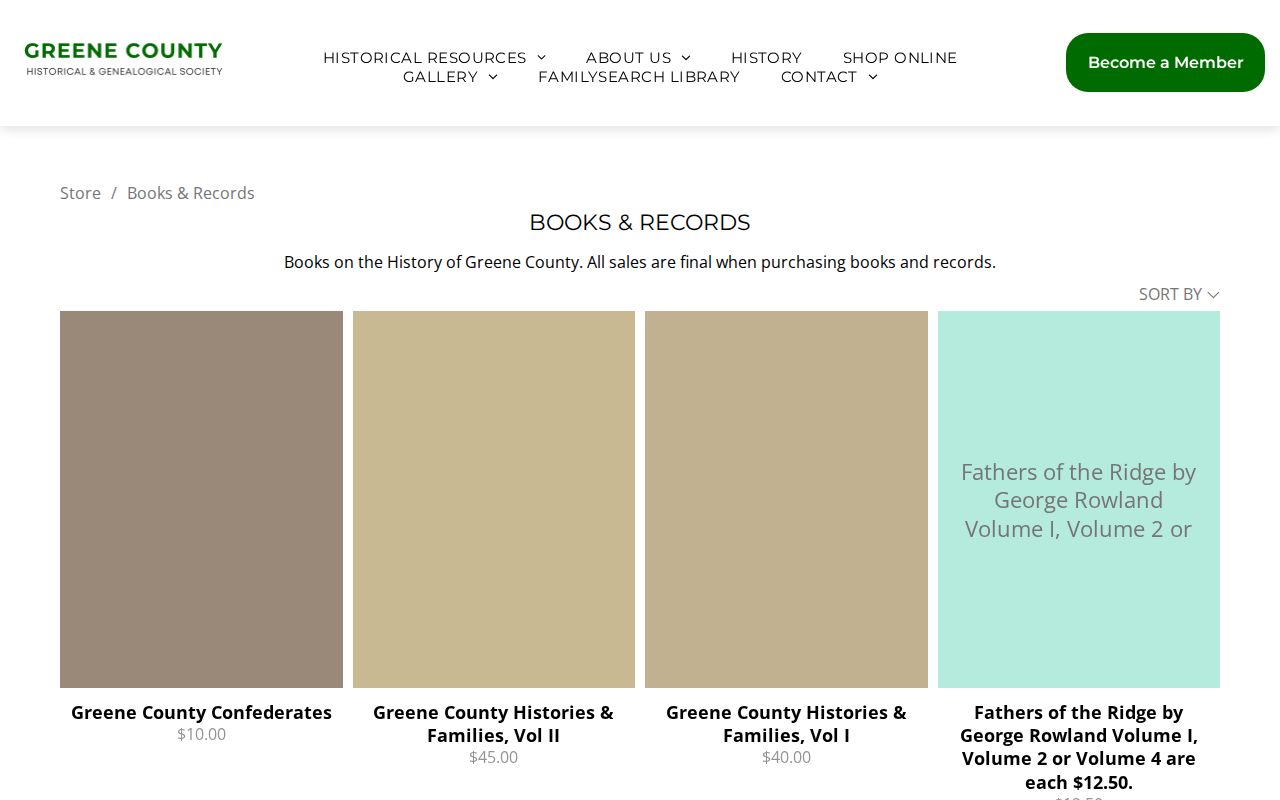
These works are companion indexes, not substitutes for every volume. The hardware index is a rare clue to named customers or firms. Its introduction should be read before a name is treated as evidence of a sale or business tie.
Trace Paragould Families by Directory
A careful household trail moves in small jumps. Each jump should preserve the exact spelling and address before another record is added.
- Start with the closest verified directory year and copy the whole alphabetical entry, including spouse, work, employer, address, and telephone.
- Check one earlier and one later directory. Search initials, nicknames, spouse names, and employer terms when the surname result disappears.
- Pair the 1920 directory with the 1920 census, the 1939 entry with the 1940 census, and the 1948 entry with the 1950 census.
- Use a street section, if present, to test the same address and nearby households. For modern address-keyed research, move to the Paragould street directory.
- Close gaps with a newspaper, probate index, cemetery source, deed, or Sanborn sheet. Record conflicts instead of forcing a match.
Census schedules can name people in the home whom a directory compresses or omits. The directory can place an adult between census counts. A modern court or parcel check belongs in a separate verification stage, not inside the historic shelf search.
Map Paragould Directory Addresses
Paragould has an unusually rich Sanborn sequence: 1892, 1894, 1897, 1903, 1909, 1914, 1923, and 1930. These fire-insurance sheets show footprints, uses, outbuildings, street names, and numbers. They do not list each household. The Library of Congress 1909 set contains 13 downloadable sheets.
Start with the sheet index and cross streets. Sheet counts grew from three in 1892 to thirteen in 1909, so the same place may move to another sheet as Paragould expands. A workplace, hotel, or boarding address may also explain why a printed line does not look like a home.
Note: Confirm that a street name and number stayed continuous before placing a directory household on a Sanborn building.
Paragould Directory Timeline Clues
The verified dates form a practical research timeline. They also warn against treating the shelf as one continuous series. The 1890 census loss makes early local substitutes vital, while later books can be paired with open federal schedules.
| Date | Paragould research clue |
|---|---|
| 1883 | Paragould was incorporated as the railroad town grew. |
| 1902 | A credit directory offers an early named commercial source. |
| 1908 to 1948 | Five individual directory years are verified by the heritage bibliography. |
| 1920 to 1950 | Selected directory years can be paired with the 1920, 1940, and 1950 open censuses. |
A secondary catalog notes a Paragould Printing Company directory for 1923, but the title page should be checked before naming that publisher as fact. No official physical-to-digital cutoff is known for Greene County court or land files. If a directory clue leads to those records and the web search fails, the clerk’s counter remains the fallback.
Paragould Records Crossed by Rail
Paragould began where the St. Louis–San Francisco and Missouri Pacific railroads crossed. Railroad work, timber, farming, and later manufacturing shaped the work terms found beside local names. Company names and railroad abbreviations are therefore strong search aids when initials alone are too weak.
The City of Paragould history also preserves the dramatic county-seat move. On October 6, 1884, the sheriff moved Greene County’s iron records safe from Gainesville to Paragould under armed guard because protest was feared.
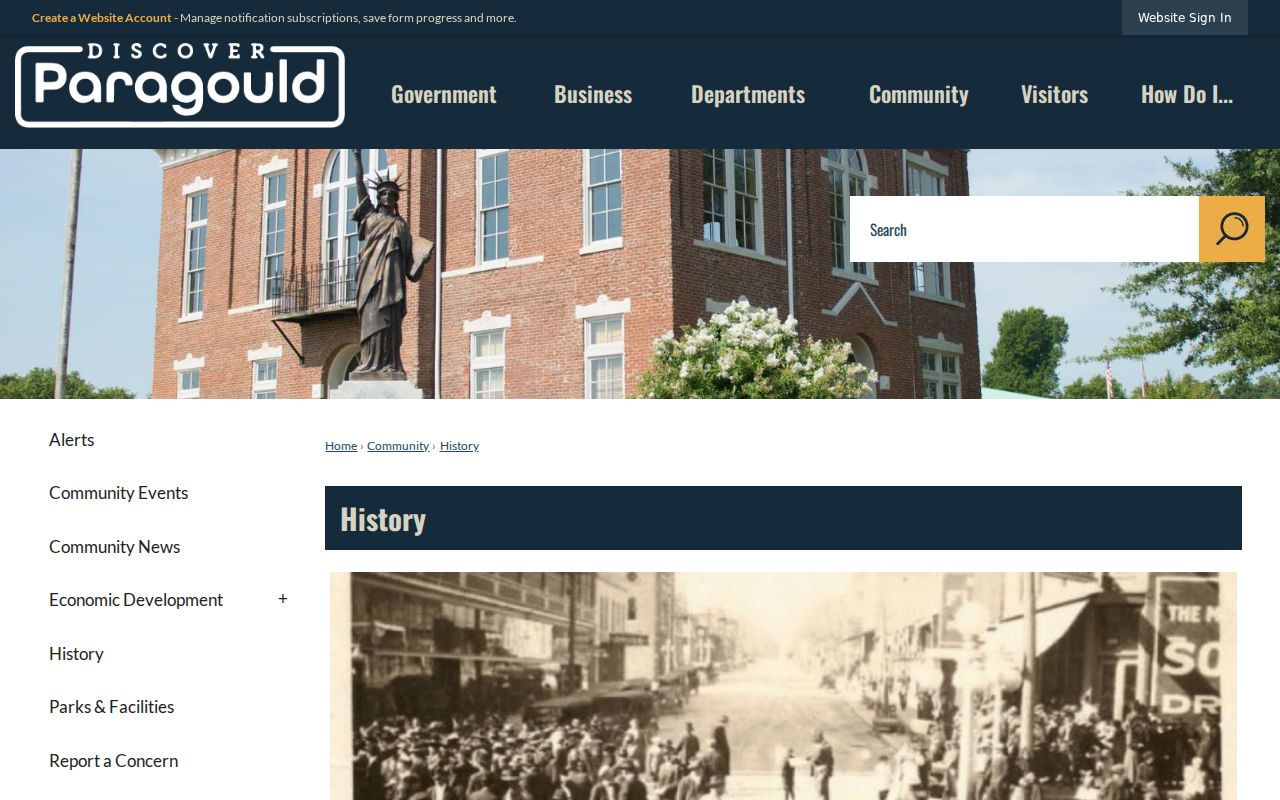
The safe story is more than color. County books created before Paragould became the seat are still Greene County records now retrieved in Paragould. Search the county name as well as the city name when a local directory clue points toward a deed, probate file, or court record.
Bridge Paragould’s Census Gap
The destroyed 1890 federal population schedules leave a real break. Paragould’s early Sanborn maps, tax and deed books, the 1902 credit directory, and the 1908 directory can narrow that gap. They are not replicas of a census. Each source answers a different question.
Printed directories may name adults, work, spouses, and addresses. Tax and deed records identify taxable ownership or a legal transfer. Maps show structures and land use. Newspapers can connect a name to a wedding, death, school item, business ad, or legal notice. Linwood Cemetery adds an older local anchor, with the earliest known burial dated 1869, before Paragould’s 1883 incorporation.
For naturalization, military, or immigration leads that reach beyond the local shelf, search the Arkansas State Archives research catalog, NARA, and FamilySearch by Greene County record group. Church registers remain with each congregation unless deposited, so ask the library desk before assuming a local run exists.